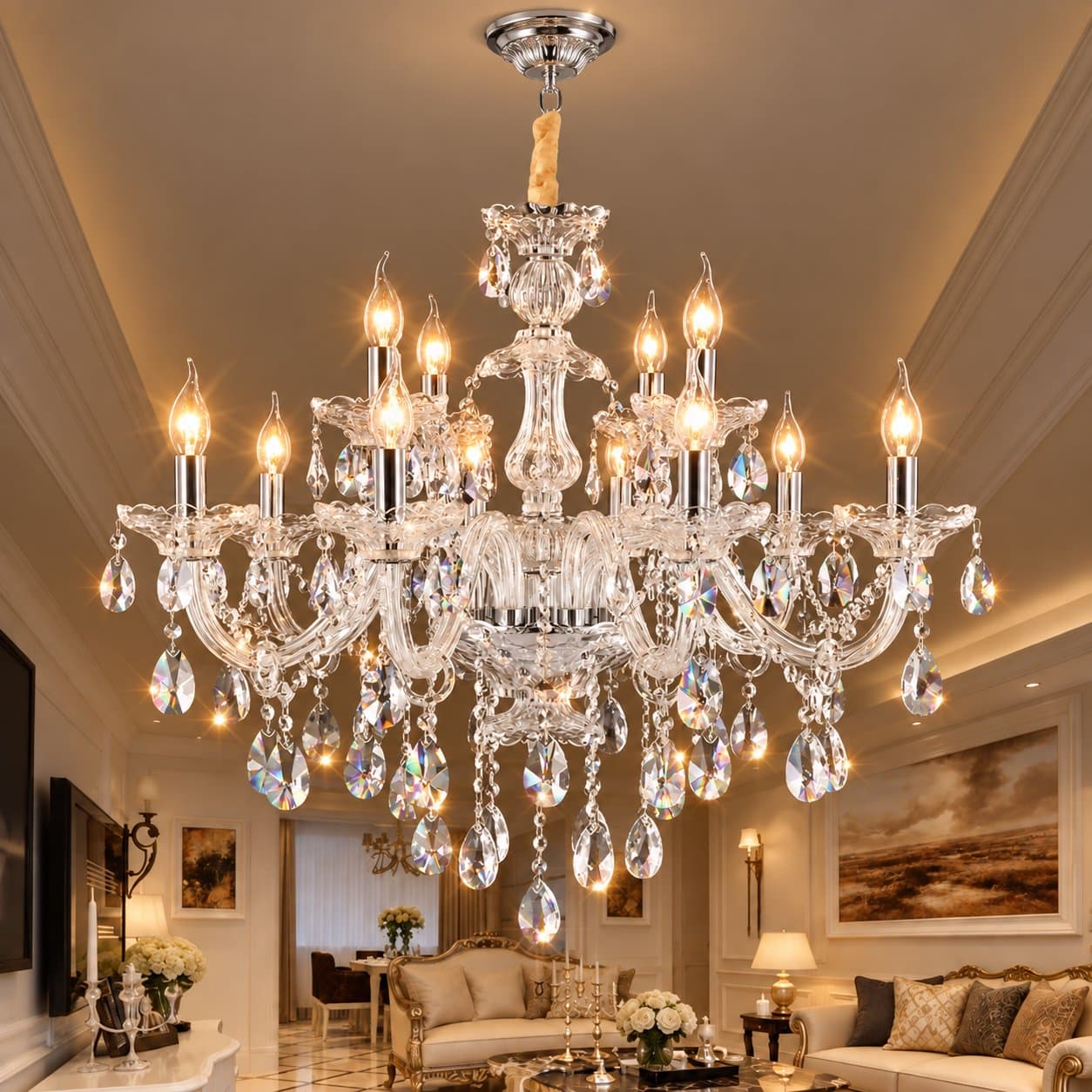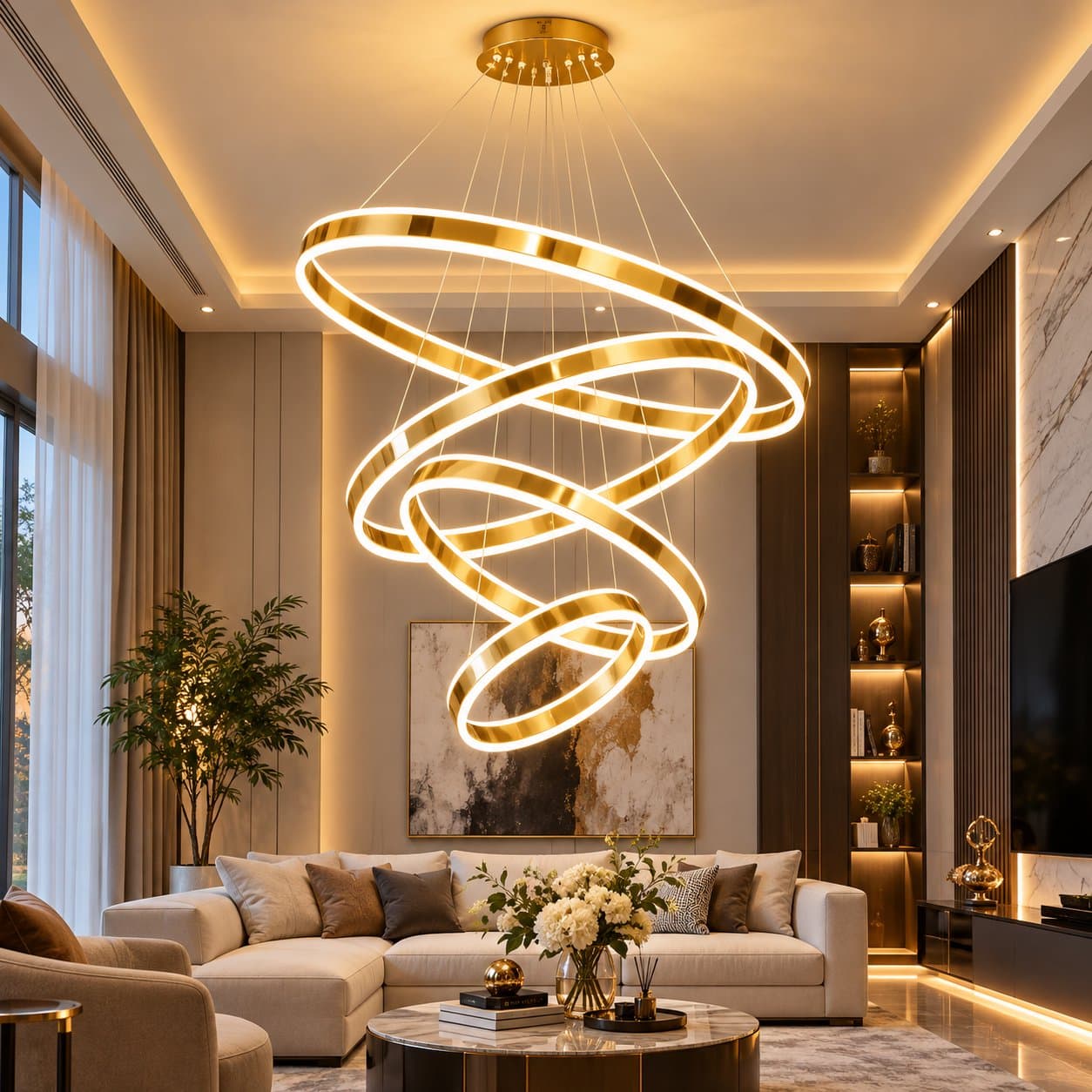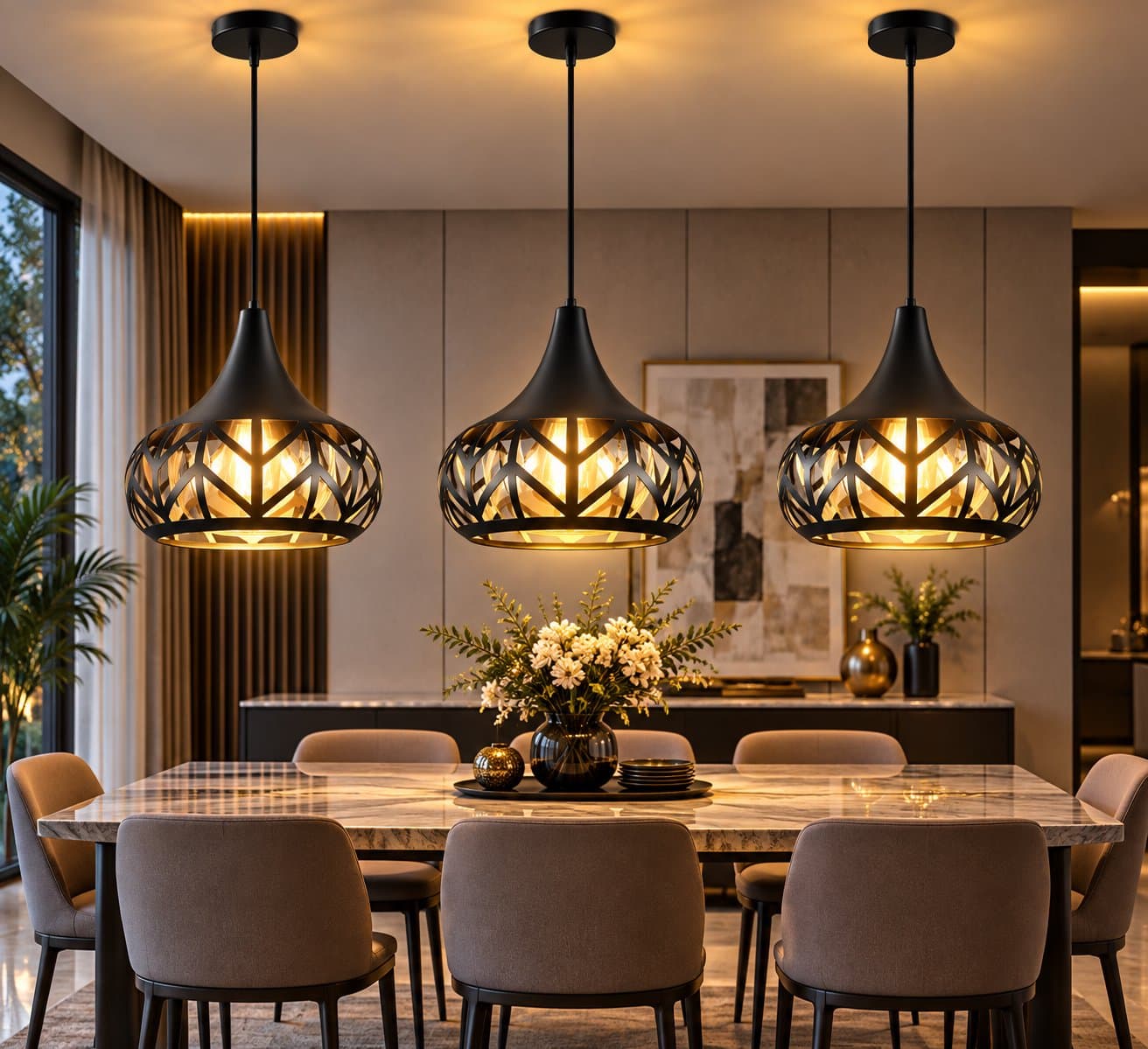

You do not need POP to make your ceiling look beautiful, polished and expensive. Sometimes, the difference between a plain ceiling that looks unfinished and one that feels carefully designed comes down to one thing: lighting.
The right ceiling light can add character to a room, highlight your furniture, create a focal point and make the entire interior feel more refined. Better still, you can achieve this without installing a false ceiling or spending heavily on complicated ceiling designs.
In this guide, we explore 10 practical ceiling lighting ideas that can transform a plain ceiling. From surface-mounted fixtures and ceiling downlights to pendant lights, LED strips and wall lighting, you will learn what works, where it works and how to avoid common lighting mistakes that can make an otherwise beautiful interior look ordinary.
How Can You Make a Plain Ceiling Look Expensive Without POP?
A plain ceiling does not automatically mean a plain-looking room. In fact, a simple ceiling can give you more freedom to make your lighting fixtures part of the interior design.
The trick is to stop thinking of the ceiling as an empty surface that needs decoration and start treating it as part of the overall lighting design. A well-positioned fixture can provide ambient light, while another light source can highlight a particular feature or create a softer room feel.
This is where layered lighting becomes useful. Instead of depending on one large fixture in the middle of the ceiling, combine different types of lighting according to how the room is used. Surface lights can provide general illumination, pendant lights can add personality, and wall lights can create depth. You can also use architectural lighting to draw attention to walls, furniture and other details. The result is an interior that feels considered without requiring a false ceiling.
1. Can a Statement Ceiling Light Make a Plain Ceiling Look Expensive?
Absolutely. One of the simplest ways to transform a plain ceiling is to choose a ceiling light that becomes a deliberate focal point. A well-designed chandelier, pendant or decorative ceiling fixture can do more than illuminate a room. It can function almost like a piece of art, especially when positioned above a dining table, seating arrangement or another important area.
However, the fixture needs to suit the room. A large chandelier in a small living room can overwhelm the space, while a tiny pendant may disappear in a large room. Consider the size of the ceiling, furniture and available ceiling height before making a choice. The best statement fixture does not simply attract attention. It connects with the rest of the décor and makes the room feel complete.
2. Why Are Surface-Mounted LED Lights Good for Ceilings Without POP?
If you want a clean, modern look without cutting into the ceiling, surface-mounted LED lights are one of the most practical options. Unlike recessed fixtures, a surface-mounted fixture sits directly on the ceiling. This means you can achieve neat, even illumination without creating the depth normally required for recessed lighting.
This makes surface lighting particularly useful for homeowners who have completed their ceiling and do not want to undertake additional construction. It can also work well in homes where the existing ceiling height makes a false ceiling less desirable. When choosing surface lights for a plain ceiling, pay attention to proportion. The fitting should be large enough to illuminate the room but not so large that it dominates the entire ceiling.
Simple geometric, circular or slim LED designs can work particularly well with contemporary interiors because they add style without making the ceiling look crowded.
3. How Can Ceiling Downlights Improve a Plain Ceiling?
Ceiling downlights are a good choice when you want focused illumination rather than one central source of light. Instead of placing one fixture in the center of a room, several downlights can be distributed across important areas. This creates a more balanced lighting arrangement and can help illuminate specific parts of the space.
For example, downlights can be positioned around a seating area, along a hallway or over selected areas of a kitchen. In a bedroom, they can provide general illumination while bedside lamps provide softer light for reading.
However, spacing matters. One common mistake is installing too many downlights simply because there is space for them. Excessive fixtures can make a ceiling look busy and may create unnecessary glare. Good lighting should provide sufficient illumination while maintaining a comfortable balance between light and shadow.
4. Can Pendant Lights Make a Plain Ceiling Look More Stylish?
Yes. Pendant lights are especially useful when you want to add personality without changing the ceiling itself. Because they hang down from the ceiling, pendants naturally draw attention. They can define a particular area of a room while providing useful illumination.
In a kitchen, for example, pendant lights can be positioned above an island or breakfast counter. In a dining area, a pendant can sit above the dining table and visually define the space. A simple pendant can also work beside a bed or in a reading corner.
The secret is placement and proportion. The pendant should relate to the furniture below it and should not interfere with movement through the room. For contemporary living, clean-lined pendant designs can provide a modern finish without requiring elaborate ceiling construction.
5. How Can LED Strip Lighting Add Depth Without a False Ceiling?
LED strip lighting is another clever way to introduce depth without installing a false ceiling.
A strip can be positioned behind furniture, along shelving, around a feature or within a suitable channel to produce indirect illumination. Rather than seeing a strong light source directly, you see the glow it creates on another surface. This can be particularly effective when you want to create a floating effect around selected architectural details. It can also make a plain wall or furniture arrangement feel more intentional.
The important thing is not to use an LED strip simply because it is available. Think about what you want it to highlight. Used properly, it can support the overall lighting design. Used randomly, it can make an interior feel overly bright or visually busy. For a clean finish, proper installation and concealment of the strip and its wiring are important.
6. How Can Wall Lights and Sconces Improve Ceiling Lighting?
Good lighting does not have to come entirely from the ceiling. Wall lights, sconces and wall sconces can provide additional illumination while helping to balance the room visually. They are particularly useful when a plain ceiling does not have decorative architectural details to highlight.
For example, a pair of wall lights can frame a mirror, artwork, TV wall or bed. They can also provide softer ambient illumination when the main ceiling lights are switched off.
This approach creates depth because light is coming from different levels rather than only from above. In living rooms and bedrooms, combining a simple ceiling fixture with wall lighting and table lamps can create a much more comfortable atmosphere than relying on one bright ceiling light.
7. Why Is Layered Lighting Important in a Plain Ceiling Interior?
Layered lighting is one of the most effective ways to make an interior feel sophisticated. Rather than expecting one light source to do everything, divide the lighting into different functions.
Ambient lighting provides general illumination throughout the room. A ceiling fixture or surface-mounted LED can perform this role.
Task lighting provides focused illumination for activities such as cooking, reading or working. Pendant fixtures, desk lamps and appropriately positioned downlights can help.
Accent lighting draws attention to specific objects or areas. A spotlight can illuminate a piece of art, while an LED strip can highlight shelving or another feature.
Together, these layers create balance. They allow you to make the room bright when necessary and softer when you want a more relaxed atmosphere. This is one of the major advantages of lighting without a false ceiling. You can create layers through different fixtures rather than relying on complicated ceiling structures.
8. How Does Color Temperature Affect a Plain Ceiling?
Choosing the right light is not only about the shape of the fixture. The color of the illumination can significantly affect how the entire room looks.
Warm light creates a softer and more relaxed atmosphere. It can work particularly well in bedrooms, lounges and other spaces where comfort is important.
Neutral light provides a balanced appearance and can be useful in living spaces, kitchens and areas where you need a combination of comfort and visibility.
Cooler light produces a brighter, crisper appearance and may be useful in certain work-focused spaces.
Whatever color temperature you choose, consistency matters. Using noticeably different temperatures throughout the same room without a clear purpose can make the interior feel disconnected. Your wall colours, furniture, flooring and natural light should also be considered when choosing the right temperature.
9. Does Ceiling Height Matter When Choosing Lighting Without POP?
Yes. Ceiling height should influence both the style and position of your lighting fixtures.
If your ceiling is relatively low, large hanging fixtures can make the room feel visually compressed. Slim surface-mounted lights may be more suitable because they sit close to the ceiling. If the ceiling is high, you have more flexibility. A pendant or chandelier can make use of the vertical space and create a stronger focal point.
The same principle applies to a small living room. Large fixtures may dominate the room, while several appropriately sized sources can create a better sense of proportion. Think about the complete room rather than the ceiling alone. The lighting should work with the furniture, room dimensions and overall interior design.
10. How Should You Plan Lighting for a Ceiling Without POP?
The most important thing is to plan before the electrician starts installing the points.
Start by looking at how the room will actually be used. Identify areas that require general illumination, areas that need focused light and features that deserve accent lighting. Then consider where the furniture will sit. A light positioned directly above a dining table has a different purpose from one positioned in an open walkway. Similarly, a kitchen needs lighting that supports food preparation, while a bedroom usually benefits from softer, more flexible illumination.
Your interior designer and electrician should also discuss electrical wiring, switch positions and the locations of the lighting fixtures before installation. This can prevent unnecessary rewiring later. Do not forget natural light. A room with large windows may need less artificial illumination during the day, while a darker room may require a stronger lighting arrangement.
The goal is not to fill every part of the ceiling with fixtures. It is to create a lighting system where every light source has a purpose.