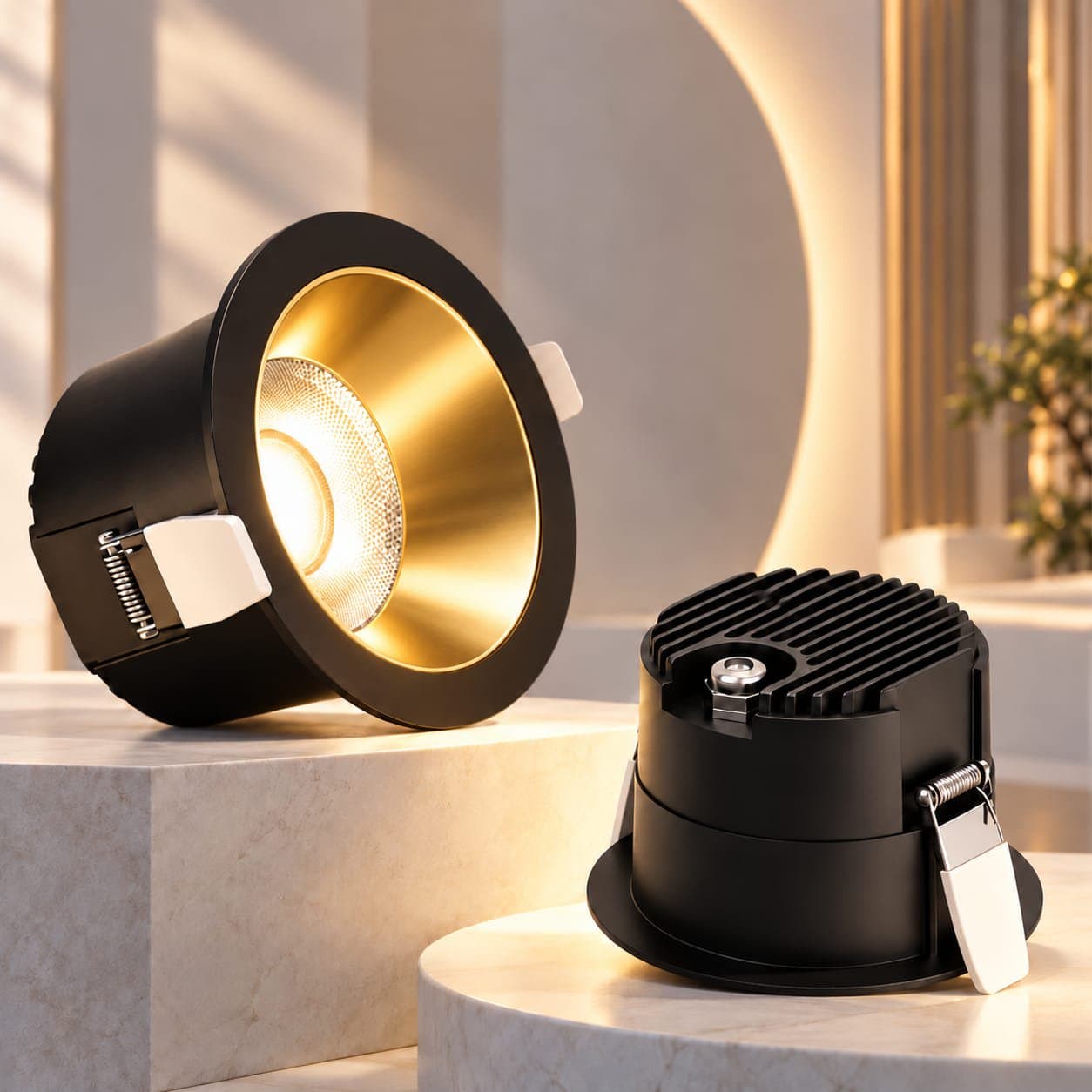

Whether you're handling a residential installation, wiring a commercial building, or maintaining industrial electrical systems, having the right tools and accessories can make the difference between a smooth project and an expensive callback. This guide covers the essential electrician tools, accessories, and equipment every electrician should carry. You'll learn which tools every electrician needs, why they matter on Nigerian job sites, and how investing in quality tools improves safety, efficiency, and professionalism.
Why Does Every Electrician Need the Right Tool Kit?
Ask any experienced electrician, and they'll tell you that success on the job depends on more than technical knowledge. Having the right tool kit ensures you can complete installations efficiently, troubleshoot faults accurately, and maintain high-quality workmanship. Whether you're working on a residential apartment in Lagos, a commercial building in Abuja, or an industrial facility in Port Harcourt, preparation matters.
The tools every electrician needs go beyond convenience. They help electricians diagnose faults quickly, complete jobs safely and effectively, and reduce costly delays caused by missing equipment. A well-stocked toolbox also reflects professionalism. Clients and project managers gain confidence when they see an installer arrive fully prepared for every job.
Investing in quality tools is equally important. Cheap equipment wears out faster, delivers inconsistent results, and can even compromise safety. Professional electrical contractors understand that reliable equipment saves money over time by reducing repairs, replacements, and project delays.
What Basic Tools Should Every Electrician Always Carry?
Every successful electrician starts with dependable basic tools. These are the essential electrician tools used daily for residential and commercial electrical work.
A quality set of pliers is indispensable. Combination pliers, long-nose pliers, and diagonal cutting pliers allow electricians to grip, bend, twist, and cut wire with precision. Since electrical installations involve a variety of materials, professionals often keep multiple pliers in different sizes for different applications.
Equally important is a reliable screwdriver set. Electrical panels, socket outlets, switches, consumer units, and lighting fixture installations all require different screwdriver heads and lengths. Many professionals use insulated tools as an additional safety measure, alongside proper isolation and testing procedures.
Another indispensable item is the wire stripper. Removing insulation without damaging the conductor ensures secure electrical connections. Using ordinary knives instead of proper stripping tools often weakens conductors and increases the likelihood of future failures.
Which Wire and Cable Tools Are Essential for Electrical Work?
Successful electrical installation depends heavily on handling wire and cable correctly. Poor cable preparation can lead to overheating, loose connections, and unnecessary maintenance. Professional electricians use dedicated cable cutters designed to produce clean cuts without crushing conductors. This becomes particularly important when working with larger cables used for generators, inverters, or commercial power distribution.
During electrical wiring, installers frequently encounter situations where cables must be routed through walls or ceilings. A fish tape allows electricians to pull cable through concealed spaces without damaging surrounding finishes. On Nigerian construction sites, where conduit systems are widely used, this simple tool saves hours of labor. Every electrician's tool collection should also include measuring tapes, cable markers, and labeling accessories. Proper identification makes future maintenance easier and helps avoid confusion when expanding existing electrical systems.
Why Are Voltage Testers and Circuit Protection Tools So Important?
Safety should always come before speed. Before touching any conductor, professionals verify the presence or absence of voltage using a reliable voltage tester. Testing before working helps prevent serious injuries and protects expensive electrical equipment from accidental damage. Even experienced electricians never assume a circuit has been isolated. Verification is part of professional electrical work.
Another critical consideration is circuit protection. Every installer should understand how protective devices work together to safeguard people and property. A correctly selected breaker or circuit breaker interrupts dangerous fault currents before they cause overheating or fires. Given Nigeria's power fluctuations and generator changeovers, Surge Protection Devices (SPDs) are valuable for protecting sensitive electrical and electronic equipment when correctly selected and installed. Including surge protection in professional electrical installations not only protects the client but also reduces costly callbacks.